
Heart Drawing Anatomy
Heart Drawing Anatomy - The average human heart weighs. Base (posterior), diaphragmatic (inferior), sternocostal (anterior), and left and right pulmonary surfaces. There are lots of small parts that we will be drawing throughout this guide on how to draw a realistic heart, so for this first step we will be keeping things a bit simple. Drawing a human heart is easier than you may think. Web these anatomical heart medical illustrations are highly detailed drawings that blend art with science. We will then proceed to shape the heart, slowly refining it with our pencils into a. Right, left, superior, and inferior: Web this interactive atlas of human heart anatomy is based on medical illustrations and cadaver photography. Web to draw the internal structure of the heart, start by sketching the 2 pulmonary veins to the lower left of the aorta and the bottom of the inferior vena cava slightly to the right of that. Discover top ideas to create stunning and realistic anatomical heart artwork that will leave a lasting impression. Web the intricate anatomy of the heart can be challenging to grasp, and so i hope you find this tool to be helpful in visualizing the cardiac system. Use some curved lines for this aorta with a small oval shape at the tip of it. Web for this first step of our guide on how to draw a human heart, we will start with some outlines for the heart. By following the simple steps, you too can easily draw a perfect human heart. In this lecture, dr mike shows the two best ways to draw. It’s an example of a drawing that can give you a basic idea of what a human heart sketch should be look like. Web these anatomical heart medical illustrations are highly detailed drawings that blend art with science. For now, we shall be drawing the outline of the base of the heart, and this is the area that houses the ventricles. The right margin is the small section of the right atrium that extends between the superior and inferior vena cava. Outline a simple heart shape. Two atria and two ventricles. 48k views 1 year ago cardiovascular system. The user can show or hide the anatomical labels which provide a useful tool to create illustrations perfectly adapted for teaching. The heart has five surfaces: Web to draw the internal structure of the heart, start by sketching the 2 pulmonary veins to the lower left of the. Then, fill in the base of the heart with the right and left ventricles and the right and left atriums. The inferior tip of the heart, known as the apex, rests just superior to the diaphragm. Web the heart is located in the thoracic cavity medial to the lungs and posterior to the sternum. In this lecture, dr mike shows. Web to draw the internal structure of the heart, start by sketching the 2 pulmonary veins to the lower left of the aorta and the bottom of the inferior vena cava slightly to the right of that. Web a drawing of the anatomy of the opened normal heart, with english labels. Web your heart sure does work hard, but that. Blood is transported through the body via a complex network of veins and arteries. Right, left, superior, and inferior: Web to draw an anatomical heart realistically, pay attention to the proportions and positioning of the different parts of the heart, as well as their texture and color. Gather your materials for heart drawing. It’s an example of a drawing that. Plus, you may just learn something new along the way. From the openstax anatomy and physiology book. Draw the human heart shape. 48k views 1 year ago cardiovascular system. There is also a murmurs tab that includes some of the more common murmurs we come across. Web study the anatomy of the heart, so you know where each part is located and how it interacts with other parts. Web the intricate anatomy of the heart can be challenging to grasp, and so i hope you find this tool to be helpful in visualizing the cardiac system. 48k views 1 year ago cardiovascular system. In this lecture,. Gather your materials for heart drawing. The average human heart weighs. Web the heart is divided into four chambers: Explore the beauty of anatomical heart drawings and unleash your creativity. It also has several margins: Web in animals with lungs —amphibians, reptiles, birds, and mammals—the heart shows various stages of evolution from a single to a double pump that circulates blood (1) to the lungs and (2) to the body as a whole. Base (posterior), diaphragmatic (inferior), sternocostal (anterior), and left and right pulmonary surfaces. Web to draw the internal structure of the heart, start. Drawing a human heart is easier than you may think. Explore the beauty of anatomical heart drawings and unleash your creativity. Web the intricate anatomy of the heart can be challenging to grasp, and so i hope you find this tool to be helpful in visualizing the cardiac system. Use some curved lines for this aorta with a small oval. There is also a murmurs tab that includes some of the more common murmurs we come across. Blood is transported through the body via a complex network of veins and arteries. By following the simple steps, you too can easily draw a perfect human heart. Web your heart sure does work hard, but that doesn’t mean you have to work. Web a drawing of the anatomy of the opened normal heart, with english labels. Right, left, superior, and inferior: There is also a murmurs tab that includes some of the more common murmurs we come across. Web the intricate anatomy of the heart can be challenging to grasp, and so i hope you find this tool to be helpful in visualizing the cardiac system. Two atria and two ventricles. Web learn how to draw a human heart with these 15 easy human heart drawing ideas with step by step sketch outline, printables and coloring pages. Use some curved lines for this aorta with a small oval shape at the tip of it. It’s an example of a drawing that can give you a basic idea of what a human heart sketch should be look like. Draw the human heart shape. Plus, you may just learn something new along the way. From the openstax anatomy and physiology book. Web for this first step of our guide on how to draw a human heart, we will start with some outlines for the heart. We will then proceed to shape the heart, slowly refining it with our pencils into a. Less searching, more finding with getty images. Web your heart sure does work hard, but that doesn’t mean you have to work hard to draw it! Base (posterior), diaphragmatic (inferior), sternocostal (anterior), and left and right pulmonary surfaces.
How to Draw a Human Heart 11 Steps (with Pictures) wikiHow
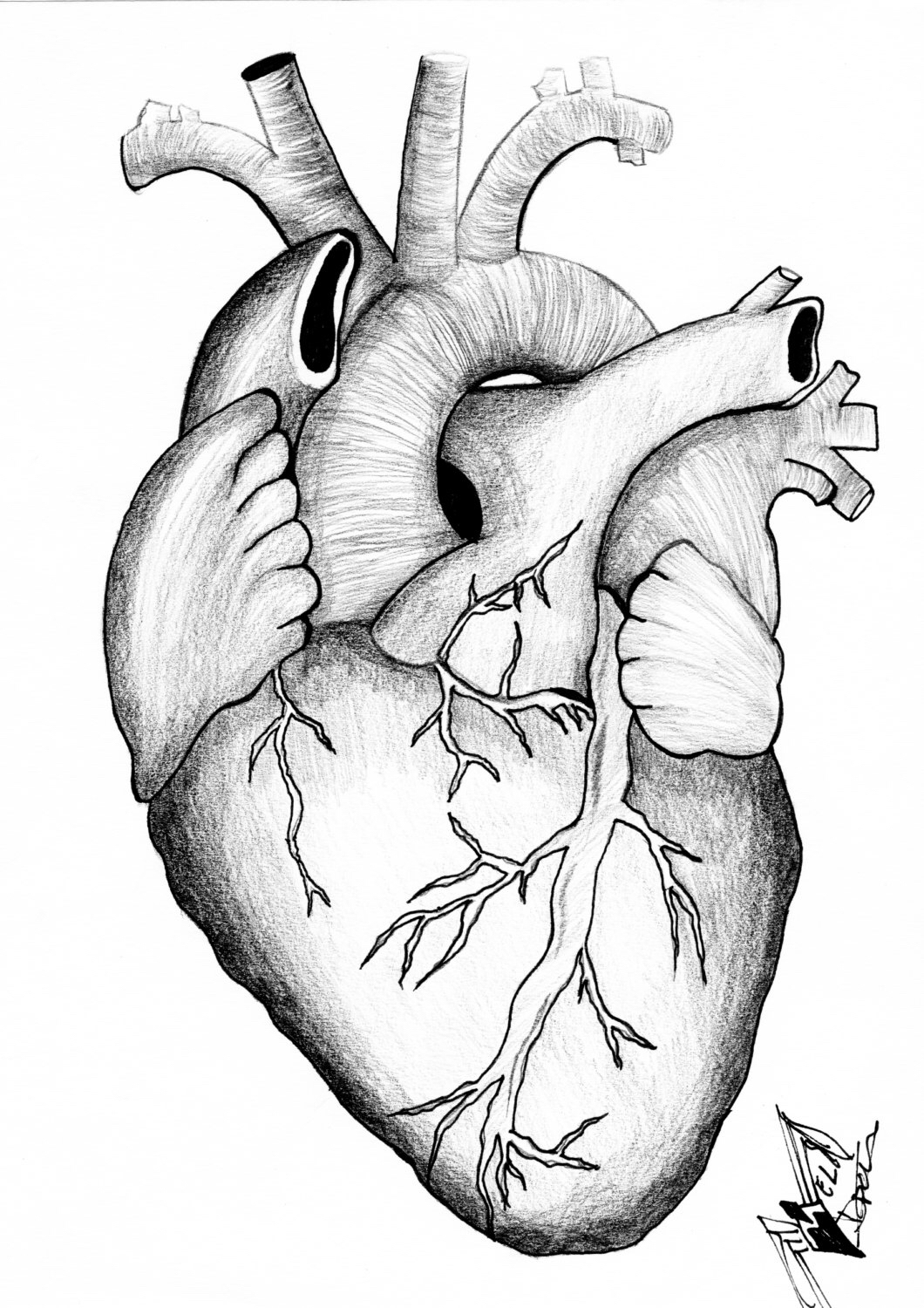
Anatomical Heart Drawing at GetDrawings Free download
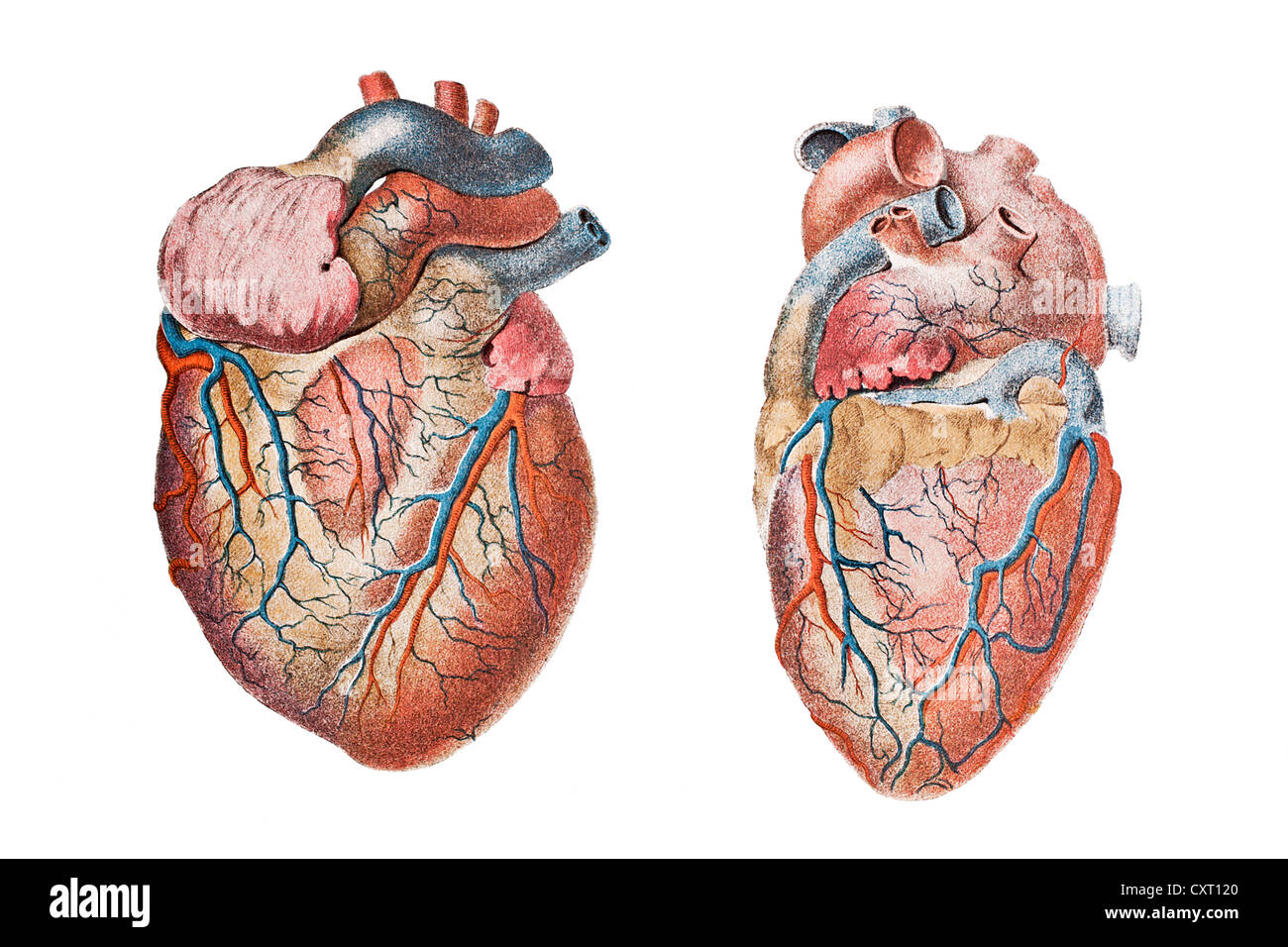
Anatomical heart drawing hires stock photography and images Alamy
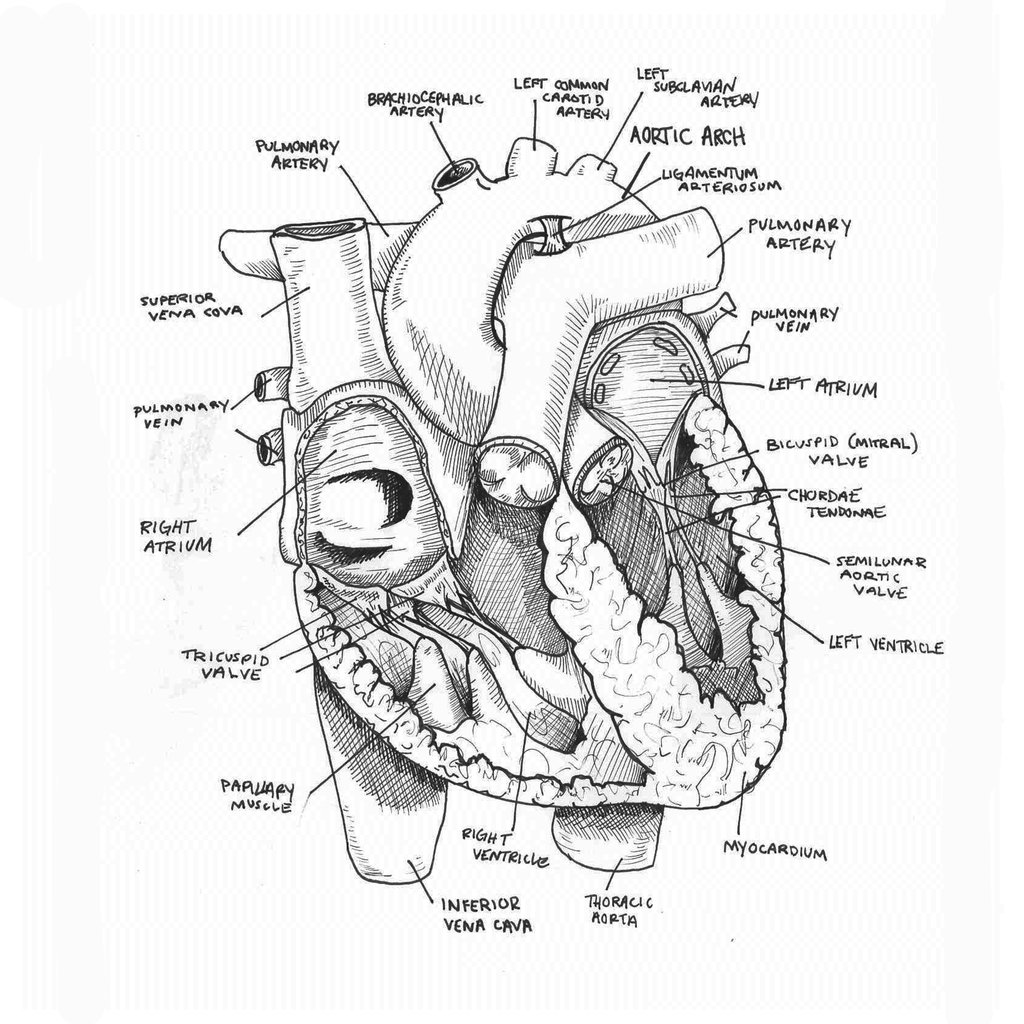
Anatomical Drawing Heart at GetDrawings Free download
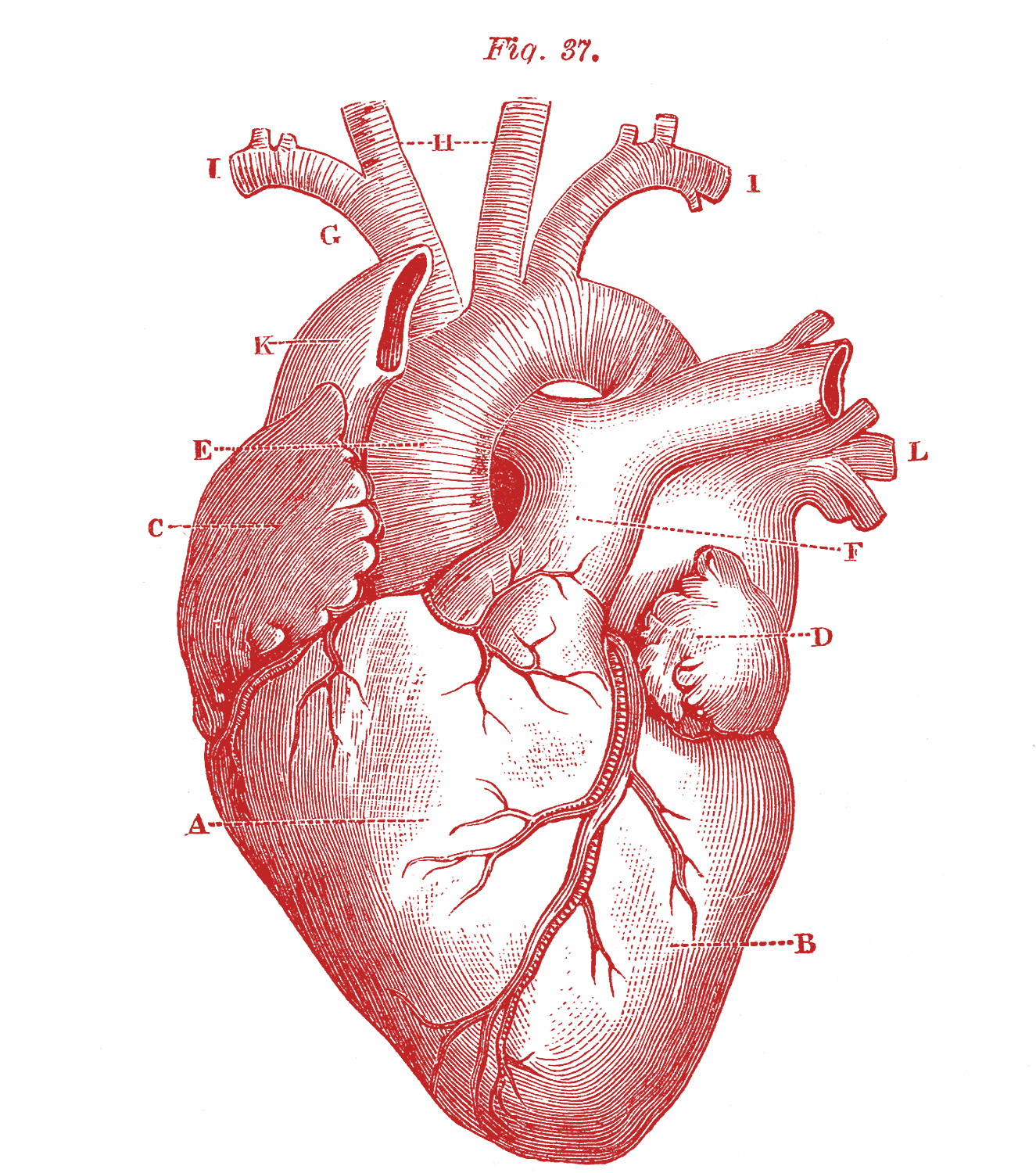
9 Anatomical Heart Drawings! The Graphics Fairy
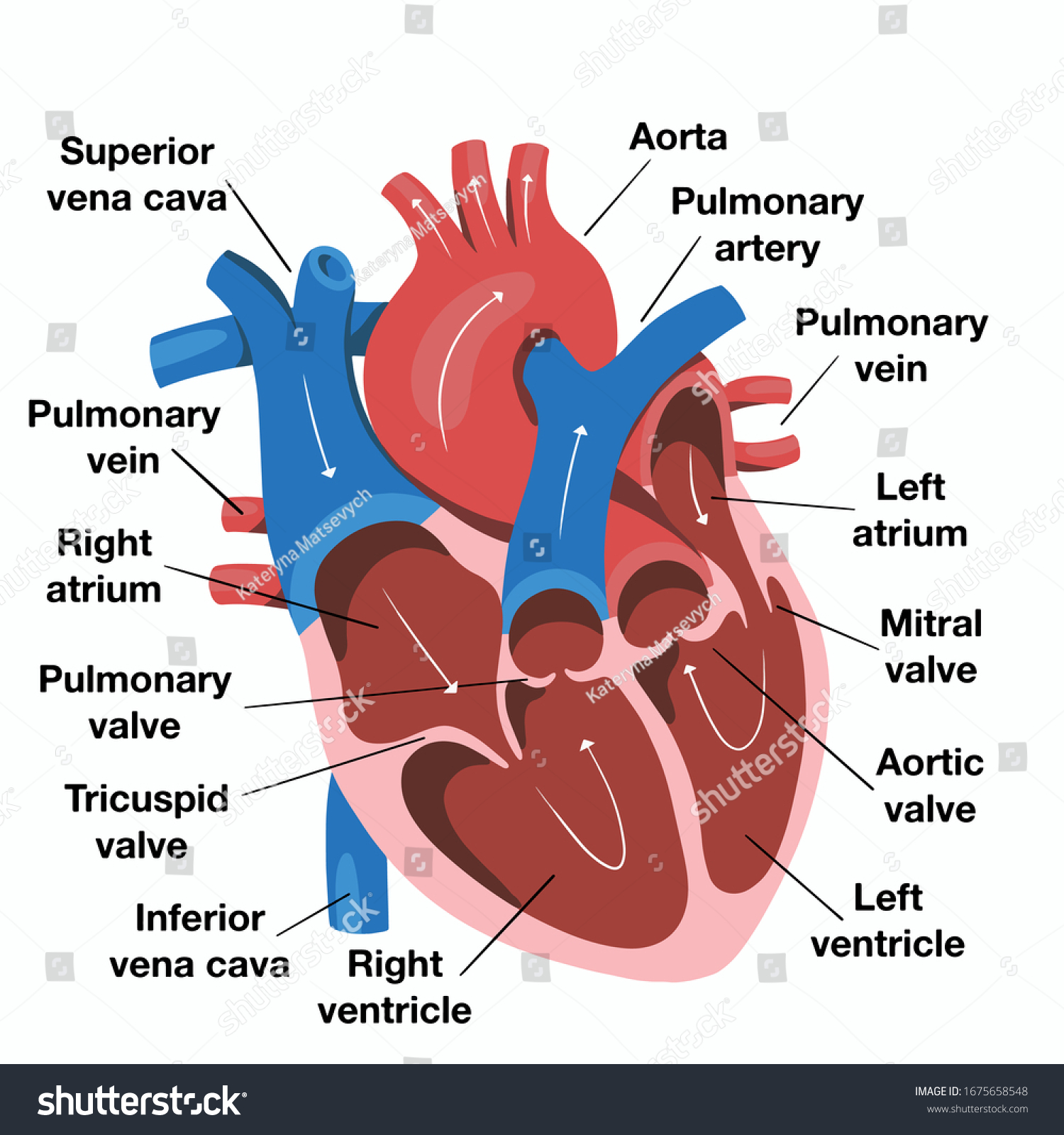
Hand Drawn Illustration Human Heart Anatomy Stock Vector (Royalty Free
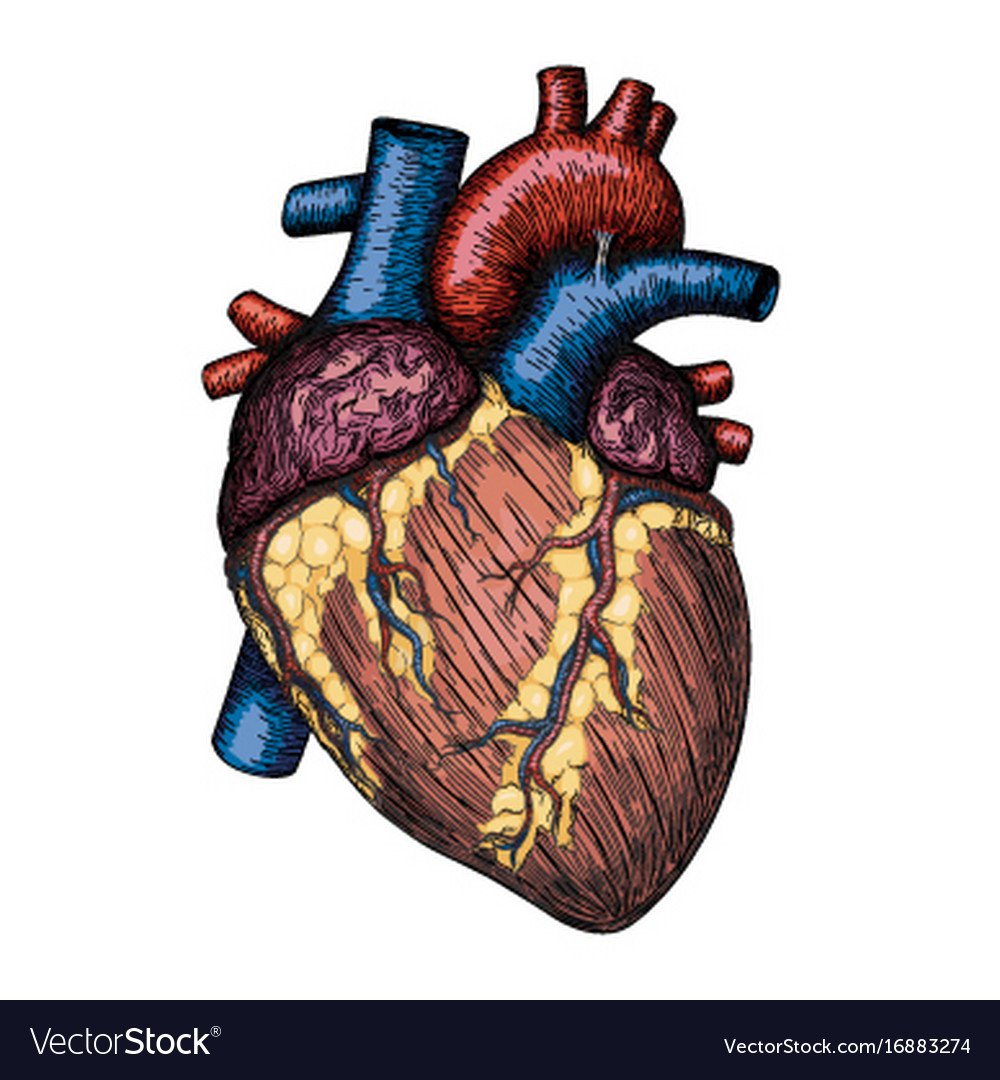
Human heart hand drawn anatomical sketch Vector Image
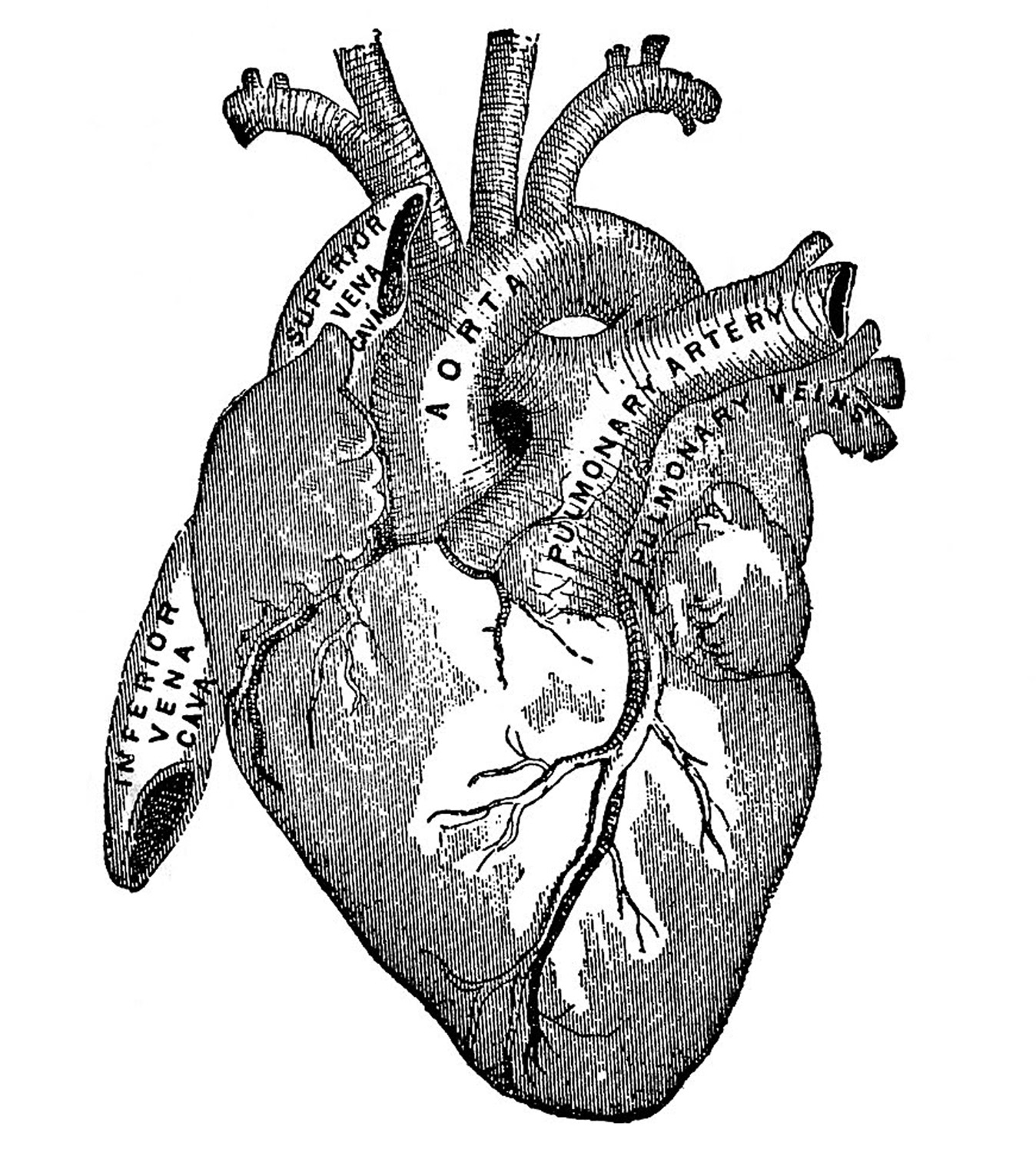
9 Anatomical Heart Drawings! The Graphics Fairy
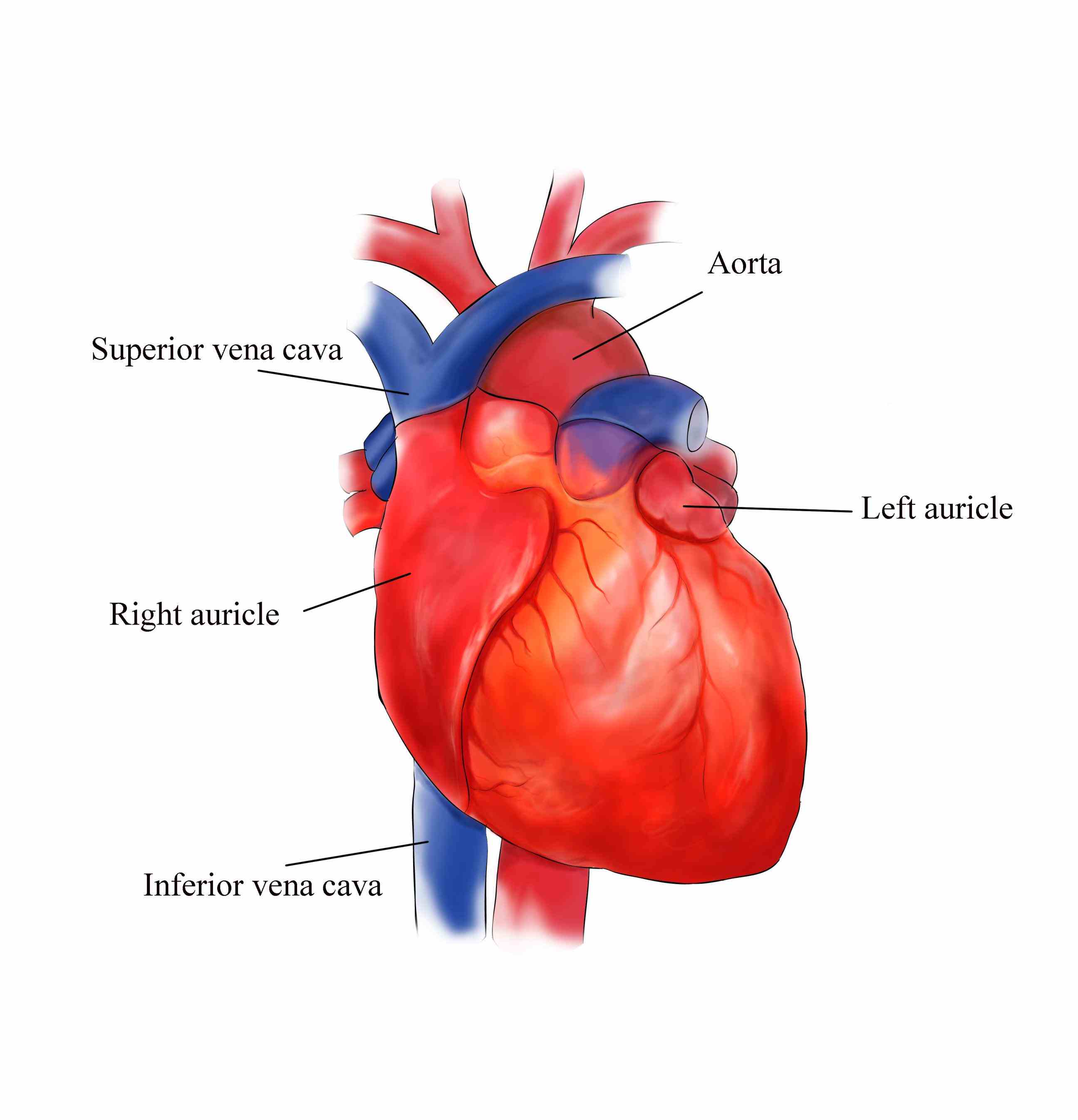
External Structure Of Heart Anatomy Diagram
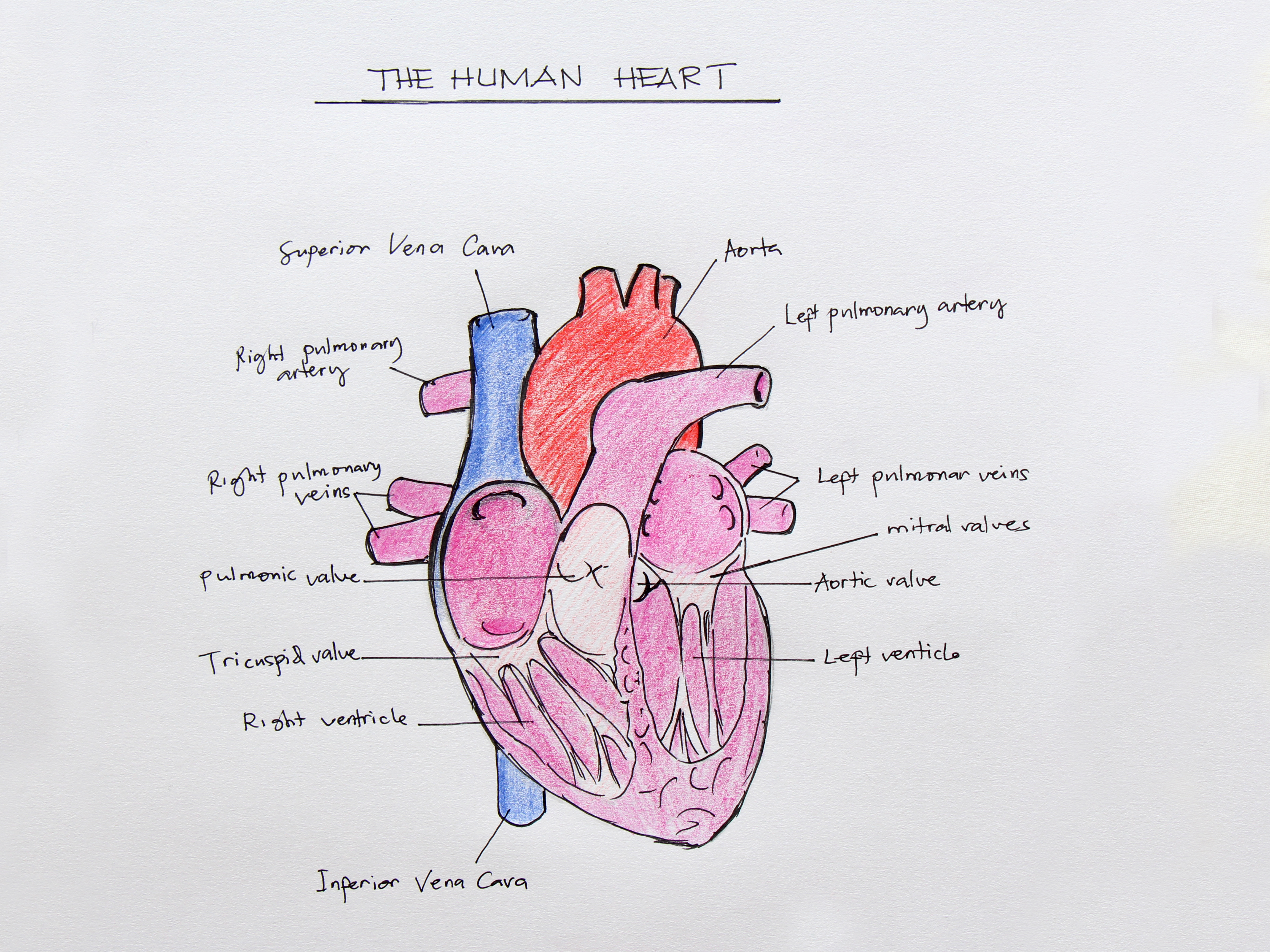
Anatomical Drawing Heart at GetDrawings Free download
In This Lecture, Dr Mike Shows The Two Best Ways To Draw.
Then, Fill In The Base Of The Heart With The Right And Left Ventricles And The Right And Left Atriums.
Sketch Out A Basic Outline Of The Heart, Using Our Tutorial As A Guide.
Get Free Printable Coloring Page Of This Drawing.
Related Post: